
Caladrius Fleet Console
When a customer's job stalls, know why, fix it, and prove it.
When a customer's training or inference job stalls or slows, the cause can sit anywhere from the GPU devices to the fabric to storage to the workload itself, and wherever it sits, you inherit the problem. Caladrius Fleet Console runs over your fleet: it names the actual root cause, shows whether the fault is in your fleet or in the customer's workload, drives the fix on approval, and verifies it held. Often it identifies problems while they're still forming, before the customer feels them.
Root cause, named
A stalled job tells your on-call almost nothing about why. Caladrius correlates device, fabric, storage, and workload signals and names the actual root cause: a dead rank, an NCCL binding fault, KV-cache pressure, a fail-slow straggler, ECC-driven drain. The diagnosis arrives as a finding with its evidence, not another dashboard to interpret.
Fleet visibility
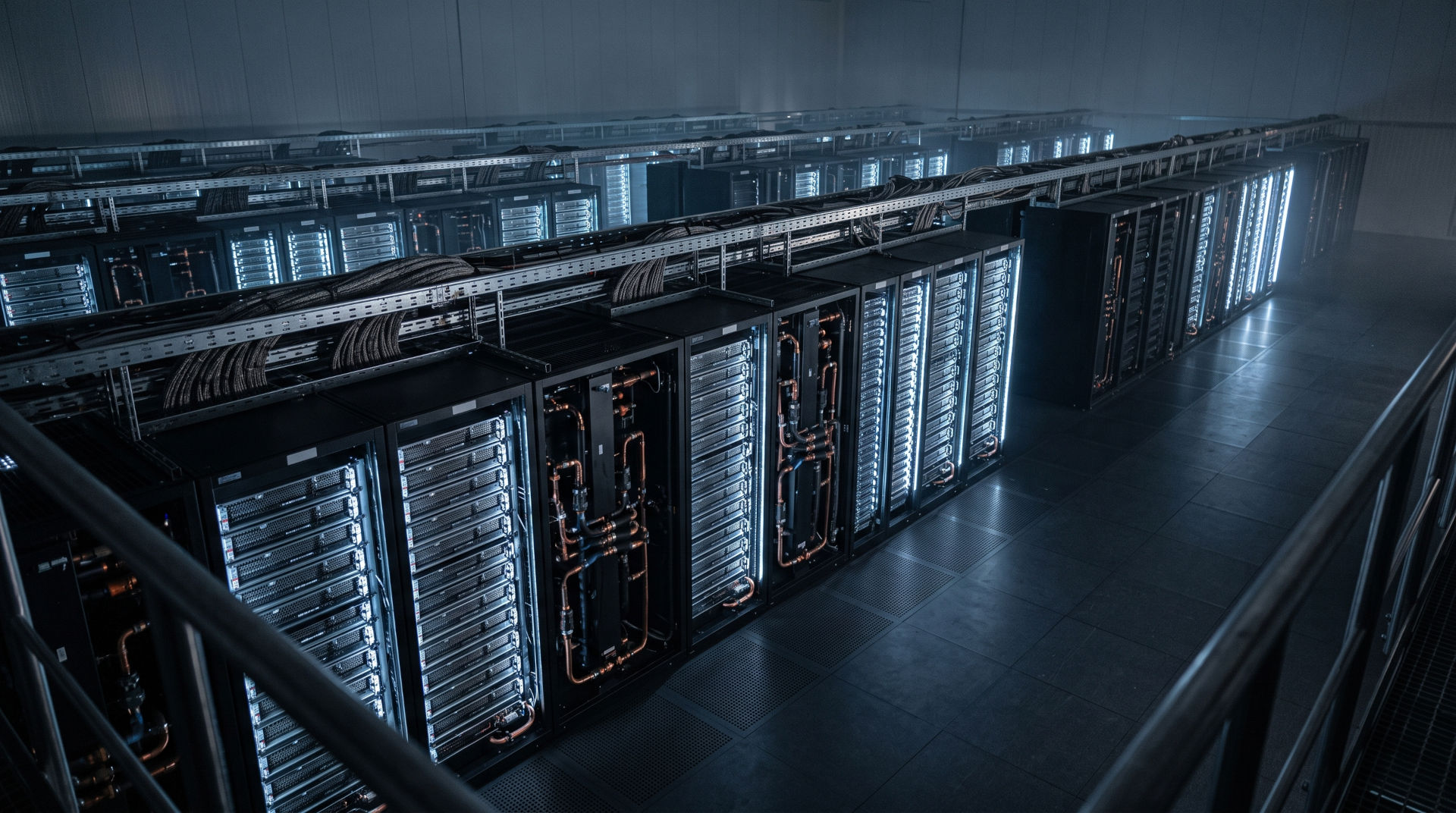
Every rack, node, and GPU, with fabric and storage, in one live view of the fleet.
Whose problem is it?
When a customer reports a stall, the first hours usually disappear into triage. Caladrius settles whose problem it is: each fault is attributed to your fleet or to the customer's workload, with the evidence attached. Issues in the customer's workload land in the customer's own Workload Console already diagnosed, so they don't reach your support desk, and the customer resolves them there directly. Issues in your fleet land in the Fleet Console the same way, diagnosis done.
Fix and verify
For faults in your fleet, Caladrius drives the fix on approval, verifies it held against service-level indicators, and rolls back if it did not.
The business case
Every hour an engineer spends proving a fault was not in your fleet is support cost; every credit issued to end an argument comes out of margin; every unresolved dispute is remembered at renewal. Customer-side issues stop generating tickets, and issues in your fleet get fixed and verified instead of argued about. You spend less on attribution, issue fewer wrongful credits, and give customers a reason to stay.
Private fleets
Some organizations are both the operator and the customer: one org, its own GPU fleet, its own workloads on top. The boundary still exists, it just runs through the middle of your building, between the platform team and the ML team. The same Fleet Console runs over the fleet you own, names which layer owns a fault, separates infrastructure from workload behavior, drives the fix on approval, and verifies it held, so the two teams stop trading blame and start trading evidence.
Deployment and footprint
Deployment footprint and integration details depend on your environment; this is usually the first question, so bring it to the first call and we'll answer it against your actual stack.